Explore your next steps
Your guide to singing lessons in Derby
Practical ideas for choosing songs, developing your voice and making lessons work for you.
01
Songs & your voice
Choose a song for your first singing lesson
For a total beginner, a useful first song is one you enjoy enough to return to. Vocal tuition can be tailored to that song and your starting point; there is no need to arrive with an impressive range or a finished performance. Bring a recording or the title and tell me which part you like: perhaps the story, the rhythm or the way the chorus opens out. We can listen together and choose a starting phrase that gives us something specific to explore.
Vocal lessons that connect technique with songs
The original recording is a reference, not a test you have to reproduce exactly. Vocal exercises can help us explore one detail before returning to the song. We can discuss the key, pace and length of a section so the task suits your current experience. A quieter phrase may teach us more than repeatedly trying the highest note. The aim is to understand your choices and develop a performance that feels like yours.
Explore pop, rock and classical singing
Exploring different genres can help you discover what you want to sing. Different styles invite different decisions about rhythm, words and expression. We can compare a sustained classical phrase with a rhythm-led pop line, or consider how a rock chorus communicates its message. Your favourite artists can provide listening material without becoming voices you have to copy. Bring a few contrasting songs if you are not yet sure which direction interests you.
Connect listening and music theory
You do not need to read music before starting. Where it helps a song, we can introduce note names, rhythm patterns and how a melody relates to the accompaniment. My piano and music-theory background supports this work. Understanding where a phrase begins or how a chord change leads into the chorus can make practice more purposeful.
02
Practice & progress
Give each practice a small purpose
Choose one short section and one thing to notice. You might focus on entering at the right moment, making a word clear or keeping the rhythm steady. Connect each of these techniques with a short passage so you can recognise its purpose in the music. Sing it, listen, then decide what to try differently. Repeating a whole song without a purpose can make it harder to hear which part needs attention. Keep a short note to bring to your next lesson.
Use recordings as a listening tool
A simple private phone recording can help you compare two attempts if you find that useful. Listen for the point you were working on rather than judging every sound at once. You might notice that the words are clearer even though the phrase still needs work. There is no need to publish practice recordings or buy studio equipment to make them.
Build a performance in stages
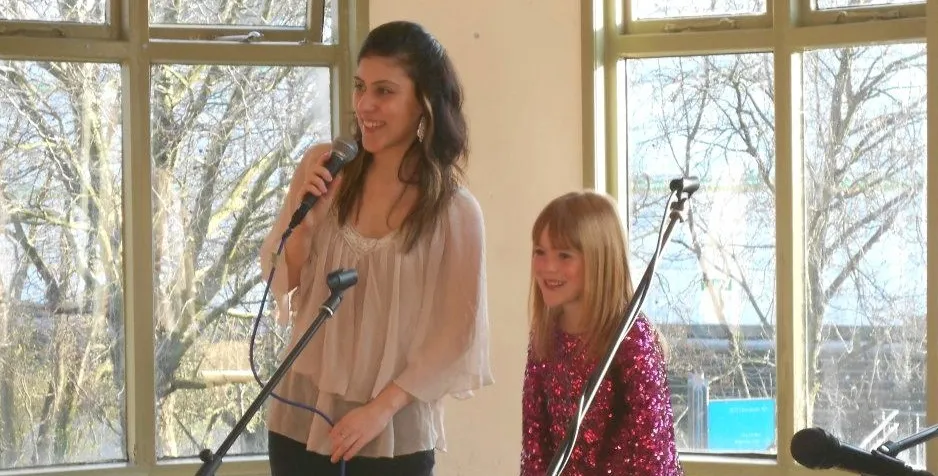
Learning the notes and words is only part of preparing a song. We can also consider the opening, your focus between phrases, microphone handling and the ending. Try a section for someone you trust when you feel ready. Before taking a song on stage, rehearse how you will begin and what you will do if you lose your place. A clear plan gives you something practical to return to. Student performance nights have been part of my teaching, but participation is optional and you should ask about current opportunities.
Returning to singing lessons
Whether you sang occasionally or became an advanced singer, tell me what you enjoyed and what made you stop. You may remember songs confidently while wanting help with a particular technique or a new style. We can identify a useful next step without assuming you need to start from scratch or immediately return to your previous repertoire.
Bring a clear question to your vocal lessons
Between sessions, note where a song becomes uncertain: perhaps an entrance after a long introduction, a change of rhythm or the words of a fast verse. Bring that example to your singing teacher. We can separate the task into listening, speaking the rhythm and singing the phrase before putting it back into the song. You do not need to solve everything before your next lesson.
Notice what you can now do
Progress is easier to recognise when you compare a specific task over a month rather than expecting every session to feel like a breakthrough. Can you enter without a prompt, hold the rhythm or explain the meaning of a verse? Those small changes can improve a student’s confidence and create a useful record of what to explore next. You may gain a clearer sense of your own interpretation before a whole performance feels settled.
03
Choosing your lessons
Singing lessons in Derby: lengths and prices
Individual singing lessons cost £20 for 30 minutes or £40 for an hour. Lessons are pay as you go, weekly, fortnightly or at an agreed frequency. Block-booking discounts are available; ask about the current offer and its terms before paying. Four half-hour sessions at the individual rate total £80; four hour-long sessions total £160. These are examples for four sessions, not monthly subscriptions or a quoted block discount.
Prepare for a lesson in Derby
I teach from my home teaching space just off Abbey Street in the DE22 area of Derby. The room has a piano and equipment for lessons. I provide the full address when you book your first session; please confirm arrival and access arrangements before travelling. You can use the equipment here. Bring your musical interests, any relevant audition information and questions about what you would like to learn. See location and arrival information.
Private lessons and small-group singing
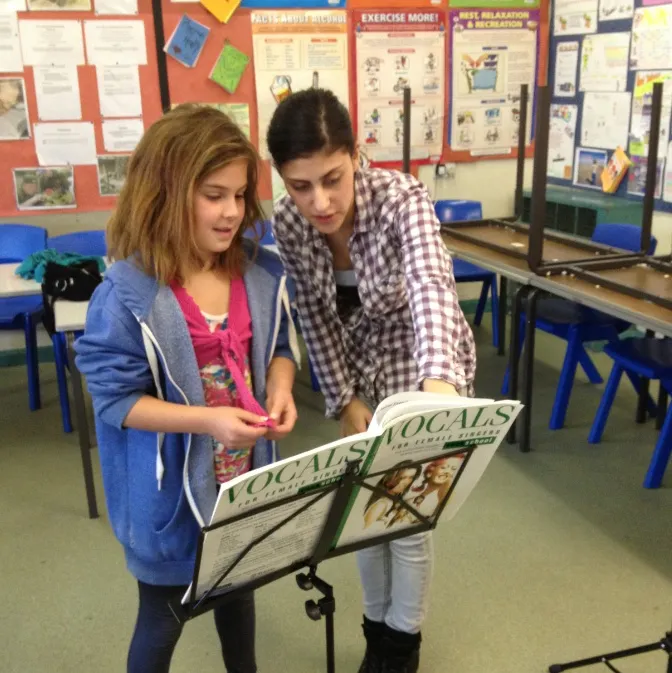
I teach adults and children aged seven and above, from complete beginners to experienced singers. Parents are welcome to sit in on a child’s lesson. Please include your child’s age in your enquiry so we can discuss a suitable starting point. Working on a one to one basis gives you time to focus on your own repertoire and individual needs. We can choose a task that suits your experience, then adjust it in response to what you hear and find difficult. Small groups of up to five can explore harmony and ensemble performance. Ask about current group availability, fees and whether a group would suit your goals; a private session and an ensemble lesson offer different kinds of attention.
Vocal tuition for your individual goals
Some learners want a recognised singing qualification; others want to sing for pleasure. I teach through to Grade 8 and help with audition preparation. If you have a syllabus or audition brief, bring it before choosing repertoire. We can plan around the actual requirements and your available practice time. Read more about the lesson approach.
Choosing singing teachers: what to ask
When comparing singing teachers, explain what you want from music lessons: a new hobby, a clearer understanding of your voice or preparation for a particular performance. Ask how the teacher chooses songs and explains an exercise. A useful explanation should help you understand what to listen for when you practise on your own.
Vocal teachers may work with different ages, styles and starting points. Here, I teach children aged seven and above and adults, with pop, rock and classical repertoire. In individual lessons we work on a one to one basis, choosing material around your individual needs. Tell me about previous tuition, music you enjoy and anything you would like explained differently.
Vocal teachers should be able to discuss how a session will work before you attend. Tell me if you have been away from tuition for years or prefer to learn without exams: hobby singers and those working towards qualifications are equally welcomed. Lessons are held in my home teaching space, with the full address supplied on booking.
04
Music around Derby
Listen to singers in different settings
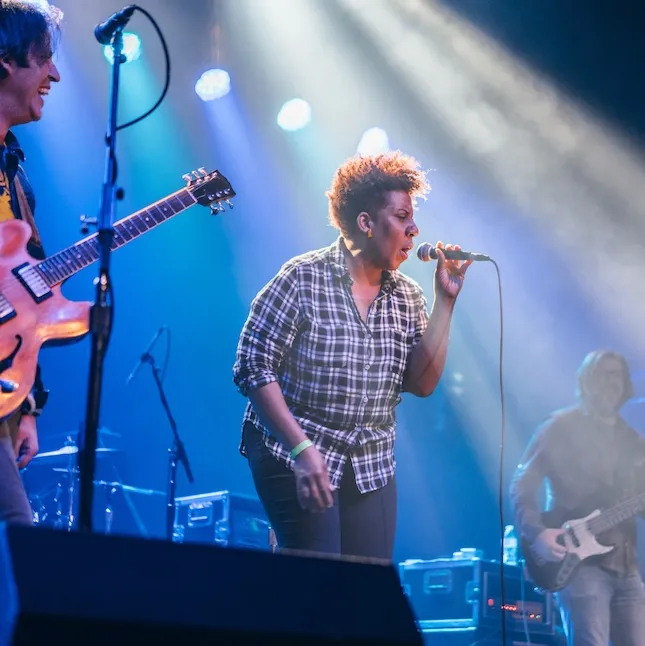
A small live venue lets you notice how a singer communicates with the room. Listen to the first line, changes of pace and how the band leaves space for the voice. You do not have to enjoy every style to learn from it. Our Derby venues guide links to current programmes and explains what to check before a visit.
Buy equipment for a reason
A microphone, instrument or recording setup should help with a specific task. Explain that task before you spend money, and include accessories in your budget. A singer accompanying themselves has different needs from someone preparing an audition track. The music shops guide separates local specialists so you can ask the right questions.
Turn an idea into a recording
For a demo or original song, decide whether you need a rehearsal room, an engineer or production help. These are different services. Prepare your song structure and any backing track before booking, and ask what the fee includes. The studio guide covers options and practical preparation.
Start singing lessons in Derby
Send a message with your experience, the songs you like and your usual availability. If you are enquiring for a child, include their age. You do not need a polished recording or a fixed long-term ambition to get in touch. We can discuss a lesson length and a realistic first goal for your vocal coaching. Ask Ruth about singing lessons.